

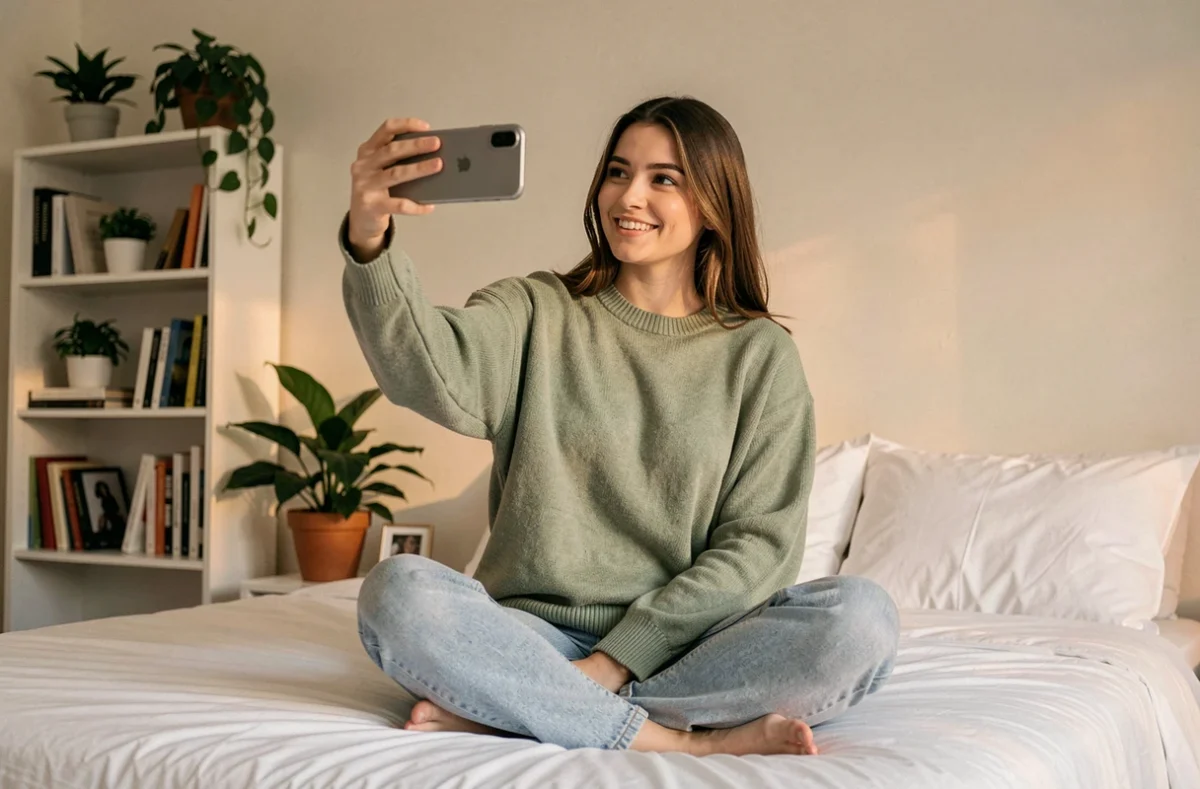
A skincare brand ships fifty units of a new serum to a creator with a mid-sized following on Instagram. No contract specifies what to post or when. Two weeks later, a short video review goes live, tagged with the brand’s handle but carrying no paid-partnership label.
Within a month, that video drives more tracked sales than the brand’s own paid ads. It also, as of 2025, exposes both the brand and the creator to a potential consumer class action under state consumer-protection laws.
Read also: Startup ecosystem in the US: The rise and rise of fintech services
That scenario captures where influencer marketing in the US stands right now: highly effective, legally tightening, and operationally messier than most brand teams admit.
FTC disclosure rules influencer marketing must follow
The practical starting point for any brand working with creators is the regulatory framework, because getting it wrong now carries real financial risk. The FTC’s Consumer Reviews and Testimonials Rule, effective October 21, 2024, does not stop at undisclosed sponsorships. It prohibits buying or selling fake followers, views, or bot-generated indicators of influence when used commercially. That single provision changes the due-diligence checklist for every brand vetting a potential partner.
See also: Streaming wars: The future of entertainment in the US
Under the FTC’s revised Endorsement Guides from July 2023, a material connection exists even when the brand never explicitly asked for a post. Sending free or discounted products can be enough. For video content specifically, the disclosure needs to appear within the video itself, not buried in a caption or description field most viewers skip.
Here is where operations get granular. Many brands still rely on a line in their gifting email that says “no obligation to post.” That language does not eliminate the disclosure requirement if the creator does post. The FTC’s position is clear: free products create a material connection regardless of whether a post was requested.
Consumer lawsuits targeting undisclosed influencer endorsements
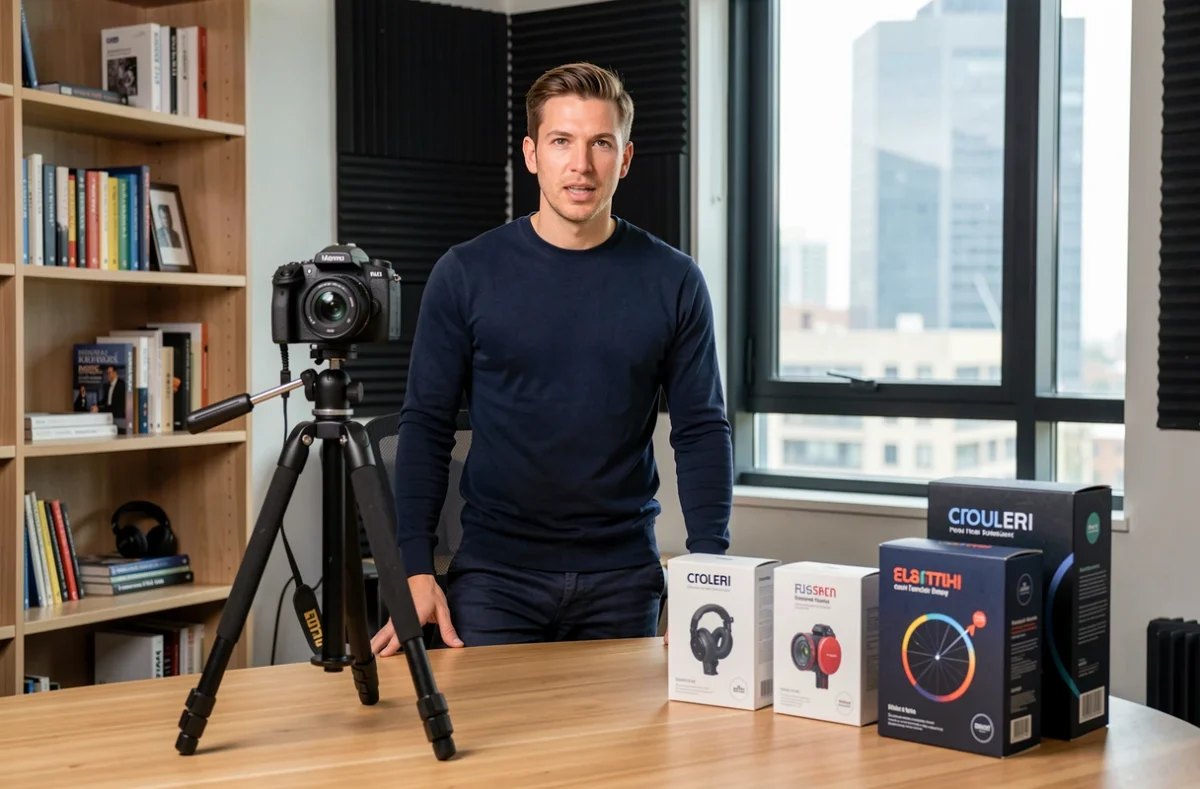
Regulatory enforcement is only part of the picture. During the first half of 2025, US litigation shifted toward consumer class actions filed directly against brands and influencers. Lawsuits targeted companies including Celsius, Shein, Revolve, Alo Yoga, and Beach Bunny Swimwear over allegedly undisclosed sponsored endorsements, according to Morgan Lewis reporting through October 2026.
The legal argument in these cases centers on price premium: consumers claim they paid more for a product because they believed a creator’s recommendation was organic. State consumer-protection statutes give plaintiffs a path that does not depend on FTC action.
For marketing teams, this means compliance is no longer about avoiding an FTC warning letter. It is about reducing exposure to class-action litigation that uses state-level consumer law. The practical response involves three layers:
- Written creator agreements that specify disclosure format, placement within video, and language (not just a hashtag buried among twenty others)
- Internal auditing of live posts before amplifying them with paid media, since boosting a non-compliant post multiplies liability
- Documented gifting policies that acknowledge the material-connection threshold even for “no obligation” shipments
Mid-size creators and influencer marketing ROI
Beyond compliance, the operational question most brand managers face is which creator tier actually moves product. The instinct to chase large follower counts persists, but performance data points in a different direction.
A Circana analysis found that mid-sized creators often deliver stronger return on investment than celebrity-led campaigns. The reasons are structural, not just about engagement rates. Mid-size creators tend to produce content within a specific niche, which means their audience self-selects for relevance. A fitness creator with a focused following reaches people already shopping in that category, while a celebrity post scatters impressions across demographics that may never convert.
Results do vary depending on product type and price point. A low-consideration impulse buy (a lip gloss, a phone case) can perform well with broad reach. A higher-commitment purchase (supplements, tech accessories, apparel over a certain price) benefits from the trust layer that a niche creator provides. There is no universal rule here, and brands that treat influencer tiers as interchangeable tend to misallocate budget.

What mid-size partnerships look like in practice
A mid-size creator partnership typically involves a flat fee plus a performance component (affiliate commission or tracked discount code). The flat fee covers content production. The performance layer aligns incentives so neither side is guessing at value.
One pattern we see working: brands negotiate usage rights for the creator’s content and redeploy it as paid social ads. This effectively turns the influencer partnership into a content-production pipeline, not just a distribution play. The creator’s face and voice lend authenticity to the ad unit, while the brand controls targeting and spend.
Social media platform shifts affecting influencer strategy
Platform dynamics shape what kinds of influencer content actually reach audiences. TikTok remains the most widely used channel for influencer marketing in the US, but the ongoing regulatory uncertainty around the platform’s future means brands cannot build a single-platform strategy without accepting concentration risk.
Short-form video dominates across platforms. Instagram Reels, YouTube Shorts, and TikTok all reward similar content formats, which gives creators leverage: a single production session can yield assets for multiple platforms. For brands, this means negotiating multi-platform rights upfront rather than paying separately for each placement.
The less obvious shift is algorithmic. Platforms increasingly surface content from accounts a user does not follow, which changes the value equation for influencer partnerships. A creator’s follower count matters less when the algorithm can push a strong piece of content to millions of non-followers. Content quality and watch-time metrics now outweigh raw follower numbers in determining actual reach.
- Negotiate multi-platform usage rights in every creator contract to avoid paying twice for the same shoot
- Track watch-time and completion rates, not just impressions, to evaluate content performance
- Maintain creator relationships across at least two platforms to hedge against regulatory or algorithmic shifts on any single one
Choosing between UGC creators and traditional influencers
A growing segment of the creator economy involves UGC (user-generated content) creators who produce branded content without posting it on their own channels. The brand receives the video file and runs it as an ad. This sidesteps the disclosure complexity of influencer posts because the content appears as a brand ad, not an endorsement.
The trade-off is reach. UGC creators do not bring their own audience. Brands pay for content production and then fund distribution through ad spend. For products where authenticity of format matters more than the creator’s personal following, this model works. For categories where the creator’s reputation drives trust, traditional influencer partnerships remain more effective.
Influencer marketing in the US is not slowing down, but the margin for operational sloppiness is shrinking. Disclosure rules have teeth. Consumer lawsuits are testing new legal theories. And the gap between brands that treat creator partnerships as a structured channel versus those that treat them as informal gifting keeps widening. The brands gaining ground are the ones that pair creative flexibility with compliance rigor, not the ones spending the most.