

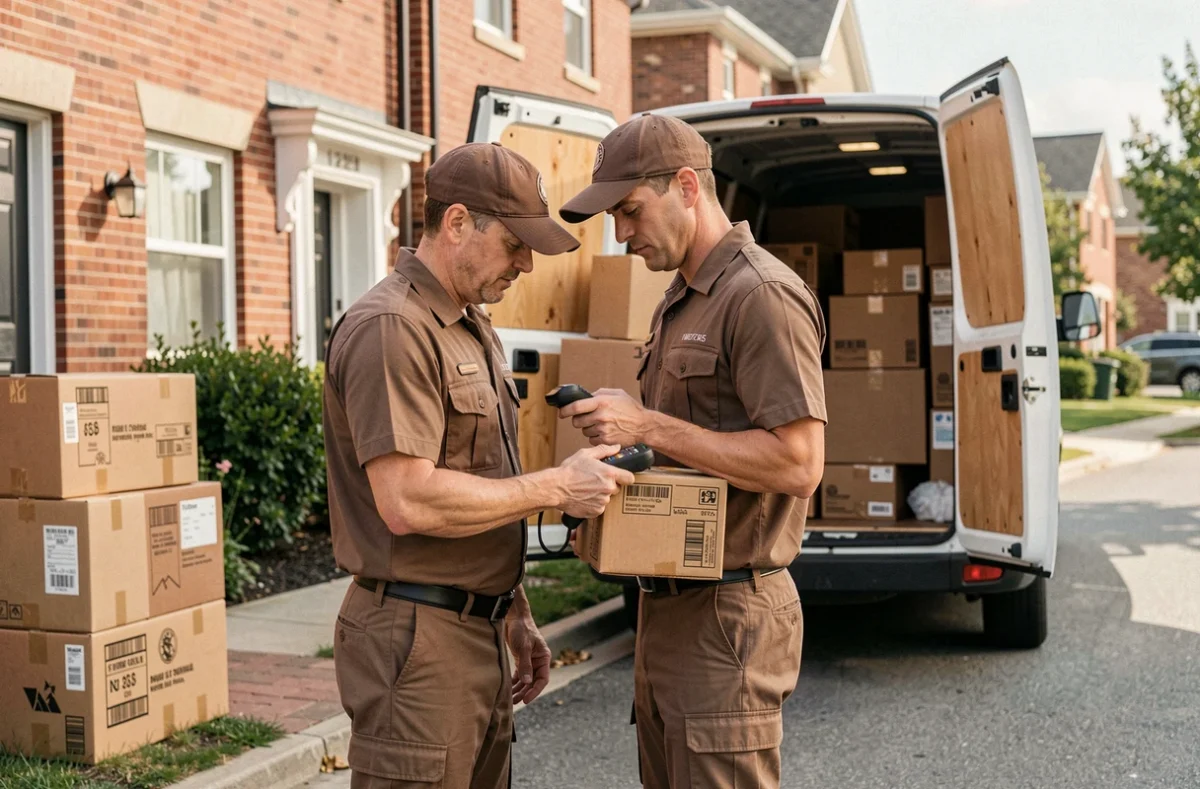
A seller in Indiana ships a small electronics part through an economy service that quietly hands the parcel off to USPS for final delivery. Tracking shows “in transit” for six days, then updates to a post office two ZIP codes away. The buyer opens a dispute. The seller has no idea which carrier actually lost the package. This kind of scenario, where a shipment crosses networks mid-route, shapes how we should think about courier reliability in the first place.
Carrier handoffs and the reliability gap nobody ranks
Most comparisons rank UPS, FedEx, and USPS as separate entities. In practice, economy tiers blur those lines. UPS Ground Saver and similar budget options can transfer parcels to USPS for last-mile delivery. Field reports describe misrouted handoffs, conflicting tracking updates, and packages sitting at the wrong post office with no clear owner of the problem.
Further reading: Property management services: the future of real estate in the United States
A single-carrier shipment is inherently more trackable than a multi-carrier one. When a package stays inside one network from pickup to doorstep, there is one tracking number, one customer service line, one claims process. The moment a handoff occurs, accountability splits. Tracking may lag by hours or show contradictory scans.
For businesses shipping time-sensitive or high-value items, the practical takeaway is straightforward: check whether the service tier you selected actually stays within the carrier’s own network. A slightly more expensive option that avoids handoffs can prevent the kind of complaint that costs far more than the shipping difference.
See also: Legal services in the digital era: navigating law practice in the United States

USPS Ground Advantage for lightweight parcels
USPS remains the default choice for lightweight, residential deliveries, and for good reason. Its network reaches every address in the country, including rural routes that private carriers cover inconsistently or at a surcharge. For packages under a few pounds headed to a home mailbox, USPS typically offers the lowest cost.
The trade-off is predictability. Available performance data suggests that rural ZIP codes and peak holiday periods can add roughly one to two extra days to Ground Advantage transit times, even when the stated service window stays the same. National averages can overstate what a customer in a remote area actually experiences.
Where complaints cluster
Recent USPS complaint patterns increasingly center on missing packages rather than simple delays. The carrier’s own resolution process asks customers to wait about a week before filing a missing-mail search request, and separate channels exist for suspected theft versus delivery errors. Slow claims resolution compounds the original delivery failure. For a business whose reputation depends on consistent fulfillment, that lag matters.
None of this makes USPS a bad carrier. It makes it a carrier best matched to a specific job: affordable, sub-pound shipments where speed is secondary and the margin per order is thin.
UPS and FedEx: choosing by shipment profile, not brand loyalty
We tend to talk about UPS and FedEx as interchangeable premium alternatives. On the ground, their strengths diverge enough to guide real decisions.
- UPS has historically built its reputation around business-to-business freight, dense commercial routes, and consistent ground transit times. Its infrastructure favors heavier packages and palletized shipments moving between commercial addresses.
- FedEx leans into express and time-definite services. Its air network is built for overnight and two-day delivery windows. For a package that absolutely must arrive by 10:30 a.m., FedEx Express tends to justify its premium.
- Both carriers offer residential delivery, but residential surcharges vary by service tier and package dimensions. Comparing published rates at the exact weight and zone of your typical shipment matters more than comparing brand reputations.
Match the carrier to the shipment, not to a general preference. A 35-pound box going to a loading dock and a padded envelope going to an apartment building are fundamentally different logistics problems. Treating them identically wastes money on one end and risks service failures on the other.
Weekend and Sunday delivery coverage
Weekend delivery has become a real differentiator for e-commerce orders placed on Fridays. USPS delivers packages on Sundays in areas covering a large share of the U.S. population, which gives it a calendar-day advantage for weekend-originated orders.
UPS and FedEx offer Saturday delivery on select service tiers, but Sunday coverage remains limited compared to USPS. Weekend delivery closes the gap between order placement and arrival by a full day. For categories like perishable goods or last-minute gifts, that single day shifts customer perception from “slow” to “fast.”
Before assuming your carrier covers weekends in your key markets, verify by ZIP code. Coverage maps change, and a service that delivers Sundays in a metro area may skip surrounding suburbs entirely.
Regional carriers worth testing
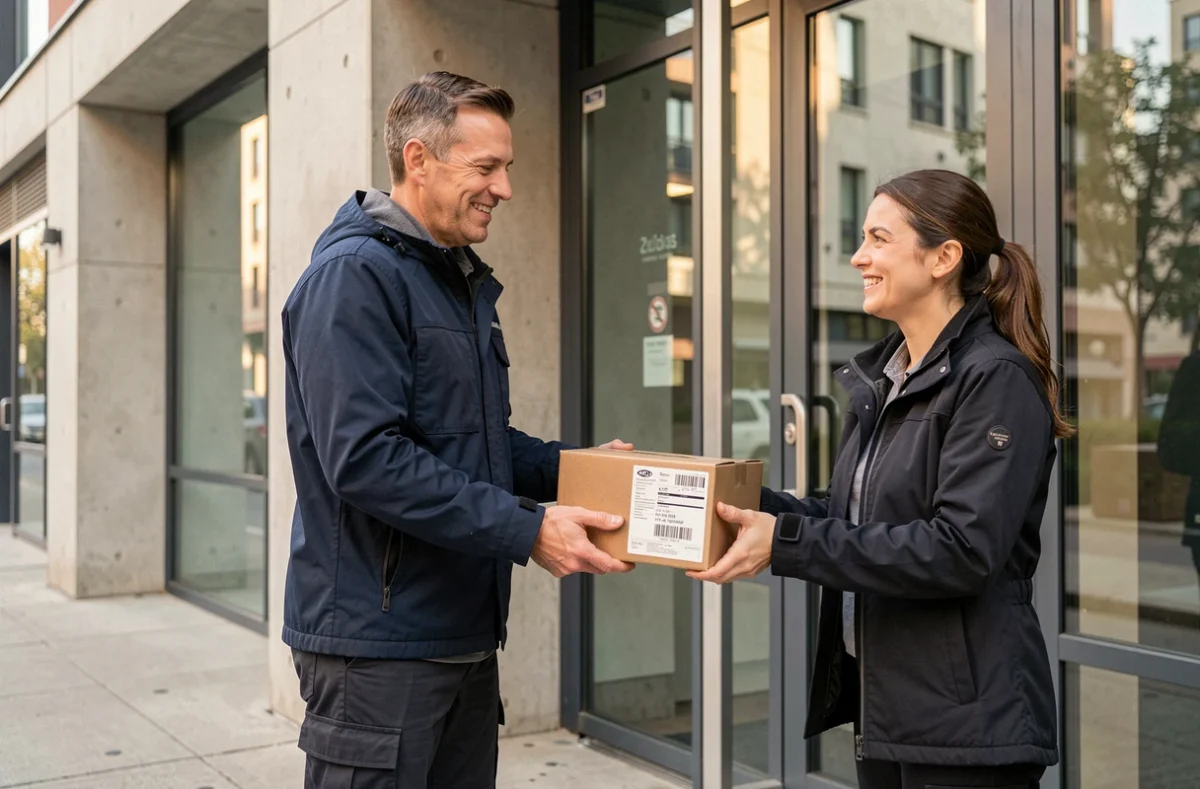
The competitor articles focus almost exclusively on national carriers, but regional services like OnTrac (rebranded from LaserShip in several markets), Spee-Dee Delivery in the upper Midwest, and Lone Star Overnight in Texas fill a niche that national carriers serve less efficiently: fast, affordable delivery within a defined geography.
Regional carriers often beat national transit times within their coverage area because packages move through fewer hubs. The limitation is obvious: they only work if your shipment origin and destination both fall inside the carrier’s footprint. For a business concentrated in one region, splitting volume between a national carrier for long-distance orders and a regional carrier for local ones can reduce both cost and transit time.
Feedback on regional carriers varies by market and season, and coverage areas shift as these companies expand or contract. Testing with a small batch of shipments before committing volume is the practical move.
What a multi-carrier strategy actually requires
Adopting more than one carrier sounds logical but introduces operational friction. Each carrier has its own label format, pickup schedule, claims process, and rate structure. Without a shipping platform or middleware that normalizes these differences, a two-carrier setup can double the administrative burden on a small team.
- Rate shopping across carriers at the moment of label creation, based on weight, dimensions, destination, and delivery speed, is the core function to look for in any multi-carrier tool.
- Unified tracking that aggregates scans from different carriers into one customer-facing status page prevents the “which carrier do I call?” confusion.
- Claims and exception handling should route to the correct carrier automatically, not require your support team to figure out which network the parcel was in when it went missing.
A large majority of retailers now use alternative carriers alongside their primary provider. The shift is real, but the benefit only materializes if the operational layer keeps up. A multi-carrier strategy without automation is just multi-carrier chaos.
The most reliable courier service in the U.S. is not a single company. It is the one matched correctly to each shipment’s weight, destination, speed requirement, and acceptable risk of a handoff. Getting that match right, order by order, is where efficiency actually lives.